Product details description
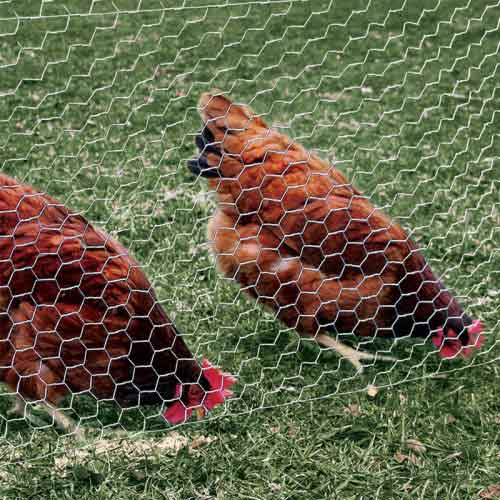
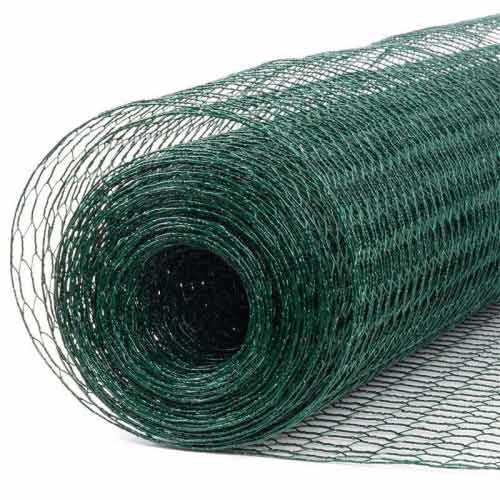
Chicken wire mesh is one of the most versatile and cost-effective tools in
a gardener's arsenal for protecting vegetation from a variety of threats. While
its name suggests agricultural use, it is equally effective in residential
gardens for creating a physical barrier against small to medium-sized pests. The
hexagonal weave of the wire provides flexibility and durability, allowing it to
conform to the shape of garden beds, raised planters, and individual plants.
This adaptability makes it an ideal solution for shielding delicate seedlings,
fruiting vegetables, and ornamental flowers from being destroyed by foraging
animals.
The primary function of chicken wire in the garden is to exclude burrowing
and digging pests such as rabbits, groundhogs, and gophers. To be effective, the
mesh must be installed with a portion buried underground—typically at least six
inches deep—to prevent animals from digging underneath. Alternatively, the wire
can be laid flat on the soil surface and secured with landscape staples before
planting, then covered with mulch to hide it. This underground barrier creates a
fortress around the root zone, ensuring that roots remain intact and plants are
not suddenly uprooted by hungry wildlife.
Above-ground protection is equally important, as many pests approach from
above or through the sides. Chicken wire is excellent for constructing cloches
or protective cages around individual plants like tomatoes, peppers, and roses.
These cages prevent deer from browsing on tall plants and stop birds from
pecking at ripening fruit. The mesh size, usually one or two inches, is small
enough to deter squirrels and chipmunks but large enough to allow sunlight and
rain to penetrate, ensuring the plants inside continue to thrive without being
overheated or waterlogged.
Beyond mammals and birds, chicken wire serves as a barrier for larger
insects and reptiles in specific contexts. For example, it can be used to cover
compost piles to keep rats out while allowing aeration, or placed around the
base of fruit trees to prevent snakes from climbing into the canopy. In
amphibian protection, inverted chicken wire funnels can be used over ponds to
prevent herons from stealing fish while allowing frogs to escape. The rigidity
of the wire also helps support climbing plants like beans and peas, doubling the
mesh's utility as both a shield and a trellis.
Aesthetic concerns often arise when using industrial-looking wire in a
decorative garden, but creative solutions exist. Chicken wire can be easily
camouflaged by training vines to grow through it, effectively turning the
barrier into a living green wall. It can also be painted green or brown to blend
into the background, or hidden behind a layer of decorative lattice or
shrubbery. Because the mesh is lightweight, it can be draped over hoops to
create tunnels and polytunnels without the need for heavy timber frames, making
it a favorite among organic gardeners who practice crop rotation.
Ultimately, chicken wire mesh offers a humane and chemical-free method of
garden protection. Unlike poisons or traps, it simply denies access to plants
without harming the animals, maintaining the ecological balance of the garden.
It is affordable enough to be used extensively across large properties yet
precise enough for small container gardens. By implementing a comprehensive
chicken wire strategy—combining underground barriers, plant cages, and
structural supports—gardeners can secure a high yield of produce and vibrant
blooms, safe from the constant pressure of local wildlife.
Previous article:
How to Rust-Proof Your Chicken Wire Mesh Fence in 3 Simple Steps
Next article:
Chicken Wire for Garden Protection - Keep Pests Out & Plants Safe