Product details description
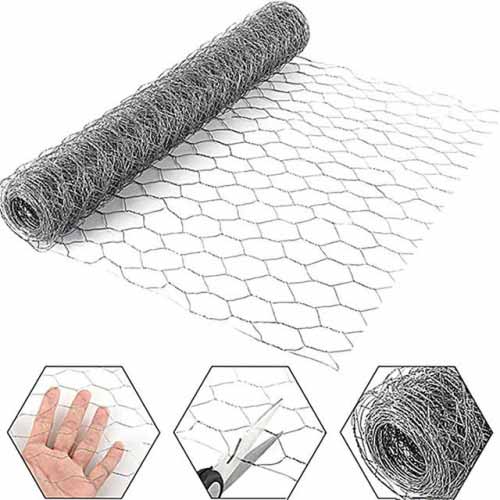
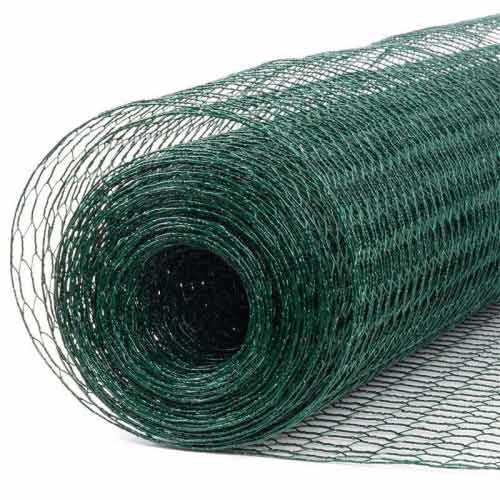
Chicken wire mesh fences serve as essential protective barriers for poultry
enclosures, garden plots, and small animal containment areas, yet their thin
gauge construction makes them particularly vulnerable to rust and corrosion that
can compromise both functionality and appearance. The zinc coating applied to
standard chicken wire during manufacturing provides initial protection, but this
coating inevitably degrades over time, especially in humid environments or areas
with high rainfall. Implementing a comprehensive rust-proofing strategy from the
moment of installation significantly extends fence service life while reducing
replacement costs and maintaining the clean, professional appearance that
enhances property value. Understanding the rust formation process enables
targeted prevention strategies that address the root causes of deterioration
rather than merely treating symptoms.
The first step in rust-proofing chicken wire involves thorough surface
preparation and the application of a quality protective coating system. Begin by
cleaning the wire mesh with a wire brush to remove any existing rust particles,
loose debris, or manufacturing residues that could interfere with coating
adhesion. After cleaning, apply a rust-converting primer specifically designed
for galvanized metal surfaces, which chemically transforms any remaining rust
into a stable compound that won't continue deteriorating. Allow the primer to
cure completely according to manufacturer specifications, typically 24 to 48
hours depending on temperature and humidity conditions. This preparation creates
an ideal foundation for the protective topcoat while addressing any corrosion
that may have already begun.
The second step involves applying a high-quality protective topcoat that
provides a durable barrier against moisture, oxygen, and environmental
contaminants. Select a paint formulated specifically for outdoor metal
applications, preferably one containing built-in rust inhibitors and UV
stabilizers that protect against both corrosion and sun damage. Apply the
topcoat using a spray system or soft-bristled brush, ensuring complete coverage
of all wire surfaces including areas where the mesh contacts posts and support
structures. Two thin coats applied with adequate drying time between
applications outperform a single heavy coat, as thin layers bond better to the
primed surface and dry more completely. The third step focuses on ongoing
maintenance, including regular inspection for coating damage, prompt touch-up of
any scratched or worn areas, and keeping the fence line clear of vegetation that
can trap moisture against the wire. Annual inspections following severe weather
events identify developing problems before rust can establish itself beneath
compromised coating areas, allowing targeted repairs that prevent costly section
replacement.
Previous article:
How to Cut and Shape Chicken Wire Mesh Without Damaging the Material
Next article:
Garden Protection Using Chicken Wire Mesh