Product details description
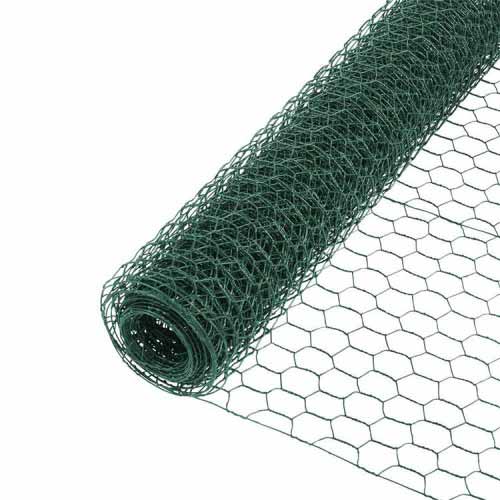
Building a chicken tractor with chicken wire is a cost-effective, portable
solution for raising free-range chickens, allowing them to forage for insects
and grass while protecting them from predators. A chicken tractor is a movable
coop with a fenced bottom and sides, enabling rotation across the yard to
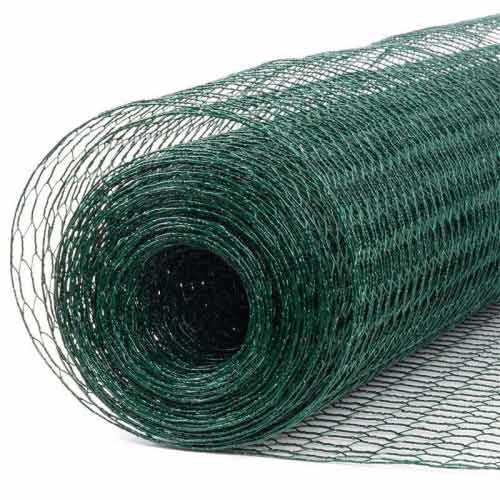
prevent overgrazing and maintain soil health. Chicken wire (also known as
poultry netting) is ideal for this project due to its lightweight, flexibility,
and ability to keep chickens in and predators out.
Start by planning the size and structure of the chicken tractor. The
dimensions depend on the number of chickens—allow 4–6 square feet per bird for
comfortable movement. Build a rectangular frame using 2x4 lumber for the base
and sides, ensuring it is sturdy enough to support the chicken wire and
withstand movement. The base should have a mesh floor (using 1x1 inch chicken
wire) to prevent predators from digging underneath, while the sides and top use
1/2–1 inch chicken wire to keep chickens contained and protect them from aerial
predators like hawks. Include a hinged door for easy access to feed, water, and
egg collection, and attach casters to the base for portability.
Assemble the chicken tractor by first constructing the base frame and
attaching the chicken wire with galvanized staples (rust-resistant for outdoor
use). Ensure the wire is taut and secured tightly to the frame to prevent gaps
that predators could exploit. Build the side walls and roof, attaching chicken
wire similarly, and install the hinged door with a secure latch to keep it
closed. Test the tractor’s mobility by moving it across the yard—adjust casters
if needed for smooth movement. Place the tractor in a grassy area initially,
moving it every 1–2 days to fresh ground. Regularly inspect the chicken wire for
tears or loose staples, repairing promptly to maintain security. A well-built
chicken tractor with chicken wire provides a safe, natural environment for
chickens while offering flexibility for yard management.
Previous article:
Chicken Wire vs Hardware Cloth: Comparing Mesh Strength and Animal Containment
Next article:
Affordable Chicken Wire Mesh - Cost-Effective Multipurpose Barrier