DIY Projects Chicken Wire Mesh for Garden Pest Protection
Release time:2026-01-10 Click:32
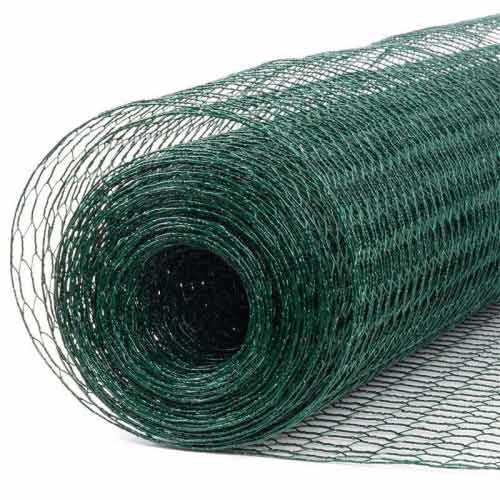
Chicken wire mesh is a versatile and budget-friendly solution for DIY garden pest protection, offering a physical barrier that keeps unwanted critters at bay without harming plants or the environment. Its hexagonal mesh design, typically with openings ranging from 0.5 to 1 inch, effectively blocks small to medium-sized pests like rabbits, squirrels, groundhogs, and certain insects, while allowing sunlight, air, and rainwater to nourish crops. For gardeners seeking a hands-on project, installing chicken wire mesh transforms a vulnerable garden into a fortified sanctuary, blending practicality with the satisfaction of self-sufficiency.
The DIY process begins with assessing garden vulnerabilities. Identify pest entry points—gaps under fences, low-hanging plant stems, or open compost bins—and measure the areas to be protected. Choose galvanized chicken wire for rust resistance, available in rolls of varying widths (2–4 feet) to fit garden beds, raised planters, or tree trunks. Cut the mesh with wire cutters, leaving extra length to bury 6–8 inches underground (to deter burrowing pests) or fold over edges for secure attachment. Posts (wooden or metal) spaced 3–4 feet apart provide support, with U-nails or zip ties securing the mesh to both posts and the ground.
Applications extend beyond basic pest exclusion. Create cloches for young seedlings by bending mesh into dome shapes, or wrap tree trunks with spiral mesh to prevent gnawing. For root vegetables like carrots, line planting rows with mesh buried 4 inches deep to block voles. Vertical gardens benefit from mesh trellises, which support climbing plants while doubling as pest barriers. The mesh’s flexibility allows adaptation to irregular garden shapes, such as curved flower beds or irregularly sized plots.
Maintenance is minimal but essential. Inspect the mesh annually for rust, tears, or loose attachments, repairing damage with patch kits or additional wire. Remove debris (leaves, weeds) that accumulates on the mesh to prevent moisture retention, which could lead to corrosion. For gardens with climbing pests like raccoons, add a second layer of mesh or raise the fence height to 3–4 feet. Avoid using treated wood posts near edible plants, opting for untreated or composite alternatives to ensure safety.
In summary, chicken wire mesh empowers gardeners to take control of pest management through simple DIY methods. Its affordability, ease of installation, and adaptability make it a go-to choice for protecting everything from vegetable patches to ornamental shrubs. By creating a physical barrier that respects the garden ecosystem, it fosters healthier plants and a more enjoyable growing experience—proving that effective pest control can be both practical and empowering.
Previous article:Durability and Flexibility of a Hexagonal Fence
Next article:The Rustic Appeal of Hexagonal Fence for Animal Containment
Hot products
Mobile: +86 15369229308
Email:metalproducts2025@163.com
Email:565169797@qq.com