Heavy Duty Vegetable Fences Chicken Wire Mesh for Animals
Release time:2026-02-12 Click:17
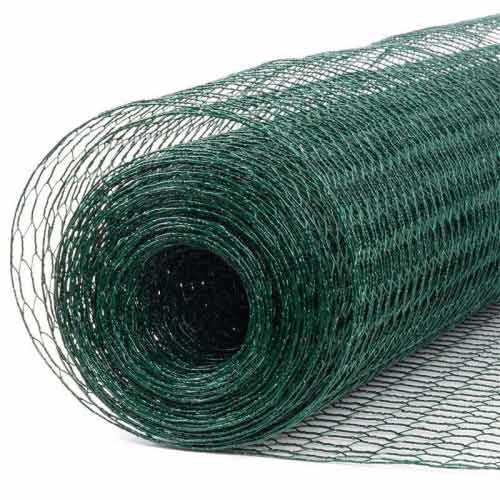
Protecting vegetable gardens from animal intruders is a perennial challenge for growers, and heavy duty chicken wire mesh has emerged as a reliable solution that balances strength, flexibility, and affordability. Unlike flimsy garden netting, this mesh is crafted from galvanized steel or high-tensile wire, creating a barrier tough enough to resist the persistent gnawing of rabbits, the pecking of birds, and the rooting of raccoons. Its hexagonal weave distributes pressure evenly, preventing tears even when animals push against it, making it ideal for safeguarding rows of lettuce, tomatoes, and berry bushes.
The “heavy duty” designation stems from its robust construction. Wires are typically 20–22 gauge, thicker than standard chicken wire, with zinc coatings that resist rust for 5–10 years in most climates. Some variants include PVC coating for added protection against moisture and abrasion, extending lifespan in humid regions or coastal areas. Mesh openings range from 0.5 to 2 inches—small enough to exclude voles and large enough to allow pollinators like bees to reach flowering plants, striking a balance between security and garden health.
Installation begins with assessing the garden’s perimeter and identifying high-risk zones, such as areas near wooded edges or compost piles where animals congregate. Posts (wooden or metal) are spaced 4–6 feet apart, set in concrete for stability, and the mesh is unrolled and stapled or clamped to the posts. For raised beds, the mesh can be formed into cylindrical cages or laid flat over hoops, creating mini-greenhouses that deter both animals and frost. Burying the bottom 6–8 inches of mesh prevents burrowing creatures like groundhogs from slipping underneath.
Versatility extends beyond vegetables. Farmers use it to protect fruit orchards from deer, while homesteaders rely on it to corral poultry or shield sapling trees from rodent damage. Its lightweight nature allows for easy repositioning as garden layouts evolve, and repairs are straightforward—damaged sections can be patched with wire ties or replacement mesh. Unlike electric fences, it requires no power source, making it a low-maintenance choice for off-grid gardens.
Animal deterrence is both physical and psychological. The mesh’s tactile texture discourages animals from attempting to chew through it, and its visible presence signals a boundary that many learn to respect. For persistent pests like deer, adding a secondary barrier (such as a strand of fishing line at nose height) can enhance effectiveness. Over time, the mesh develops a weathered patina, blending seamlessly with the garden landscape while continuing to serve as a silent guardian.
Investing in heavy duty chicken wire mesh pays dividends in reduced crop loss and peace of mind. By choosing the right gauge, coating, and installation method, gardeners can create a durable fortress that protects their harvest season after season, proving that simple materials, when engineered thoughtfully, can solve complex agricultural challenges.
Previous article:The Most Versatile Woven Chicken Wire Mesh for Countless Applications.
Next article:The Role of Fence Rails in Fence Structure
Hot products
Mobile: +86 15369229308
Email:metalproducts2025@163.com
Email:565169797@qq.com